
Key Takeaways
- Fix the problem, in case any damage occurs, but only if the age of the door isn’t more than 10-15 years old
- In cases when repair costs more than 50 percent of replacement costs, then it’s wiser to opt for replacement
- Average lifespan ranges from 15 to 30 years, based on the type of garage door
- Professional service is required in terms of safety-related aspects, for example, springs and cables
- The cost-effectiveness is likely due to the ROI of around 90 percent
- If the door malfunctions, then this is another reason why replacement makes sense
Whether to fix the garage door or replace it is one of those decisions which many homeowners face from time to time. This decision largely depends on several factors including cost considerations, safety concerns, lifespan and value for money considerations. Here is the full guideline on how to make this difficult decision with ease and without straining your finances.
Garage door is not only an entrance point, but it is also one of the key components of your house that will contribute to its safety, energy efficiency, and general appearance. The problem with the garage door is understanding whether there is something wrong that can be fixed quickly, or it should be replaced altogether. It occurs when you come across certain issues that occur frequently or are difficult to maintain.
Thus, it will be helpful for you to know the distinction between repairing and replacing. The former will assist you in saving money and achieving rapid outcomes, whereas the latter can turn into a more efficient solution. Let’s discover what choice you need to make in this article to benefit from security and property appreciation. Moreover, the importance of this article is to help you decide whether you just need to repair your garage door or if it’s just much better to replace it already.
When to Opt for Garage Door Repair or Replacement?
You must repair your garage door if the problems are trivial and economical. Only replace it if problems are serious, persistent, or expensive.
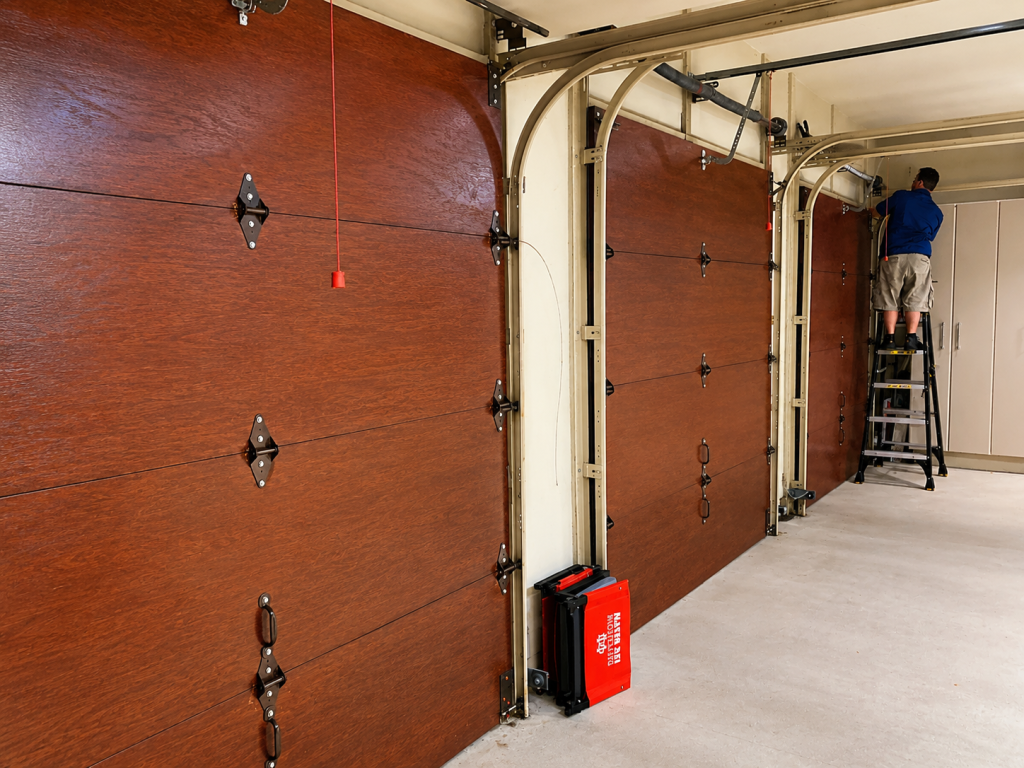
Garage doors are complicated devices with mechanical components that degrade with age. Minor problems such as misaligned tracks or faulty rollers can be repaired. On the other hand, serious problems or repeated failures are grounds for replacement.
For example:
A noisy garage door due to faulty rollers → Repair
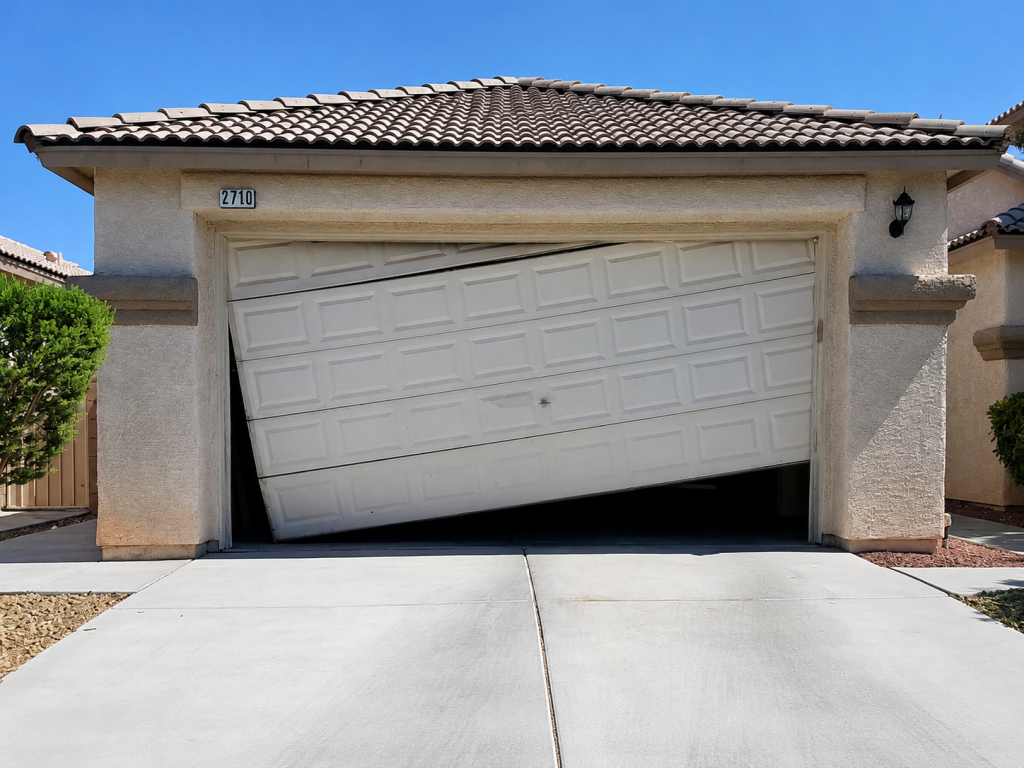
A warped or cracked garage door with a malfunctioning opener → Replace
When Is It Time to Fix Your Garage Door?
As stated above, repair is recommended if you have specific problems that don’t affect the whole functioning system of your garage door.
It usually costs very little money and doesn’t call for complete replacement.
Common Problems to be Repaired
- Making noises as a result of old roller and hinge system
- Slow operation due to malfunctioning
- Misaligned tracks
- Panel dents
- Malfunctioning remotes or sensors
Important Safety Tip:
Garage doors include high-tension springs, cables, and other heavy-duty equipment that could seriously injure or kill a person if tampered with improperly.
Do not attempt any repairs related to these items. Always hire an expert garage door repair technician.
What Are the Reasons for Installing a New Garage Door?
You must install a new garage door if your current one is old, poses a safety hazard, or needs constant expensive maintenance.
For example, if you need to repair your door three times within a year, then installing a new door would be a better decision.
Reasons for Immediate Installation
- If your garage door is already 15 to 30 years old
- Installation of garage door is needed if there are several panels that have been damaged or warped
- If there’s constant mechanical failures
- If you noticed that there is already structural weakness
- If the insulation is already ineffective or low energy efficiency
- If the design of your garage door is now outdated, which causes to reduce your home’s aesthetic appeal
You can also read our article on how replacing your door can enhance your home’s energy efficiency, “Upgrading Your Home’s Efficiency by Replacing Your Garage Door”.
How Long Does a Garage Door Last?
Garage doors typically last between 15 to 30 years based on material and maintenance.
Expected Life Span Based on Material Type
Steel: 15 to 25 years
Wood: 20 to 30 years
Aluminum: 15 to 20 years
Professional maintenance and inspections can help prolong the life span of your garage door. According to the International Door Association, maintenance is one of the key elements in ensuring longevity.
Is There Any Risk Associated with Using Old Garage Doors?
Always take note that there is a risk associated with using old garage doors.
Safety Problems Commonly Found in Garage Doors
- Loose springs that snap from pressure
- Cables that break suddenly
- Failure of sensors to detect objects
- Unexpectedly falling doors
If you have an older door, you need to replace it rather than attempt repairs. For further information regarding safety concerns, see the U.S. Consumer Product Safety Commission regulations for automatic garage doors.
Does a New Garage Door Increase the Value of Your House?
Your garage door installation can add value to your house, as the cost of replacing your garage door offers good ROI. In addition, the new garage door is both a good sales feature and an essential upgrade.
Advantages
- No other renovation has higher ROI on resale than this one
- Excellent inclusion for improving the curb appeal of your house
- Higher energy efficiency of your garage space
Are Energy-Efficient Garage Doors Worth It?
An energy efficient garage door is totally worth it, particularly for attached garages or extreme climates.
Advantages of Energy-Efficient Garage Doors
- Energy savings
- Enhanced comfort
- Noise reduction
- Greater longevity
An insulated door will be especially beneficial when the garage is attached to the house.
Garage Door Repair vs Replacement Cost Comparison
| Factor | Repair | Replacement |
| Long-Term Cost | Can add up | One-time investment |
| Lifespan Impact | Short-term fix | Full lifespan reset |
| Safety | Depending on the problem | Improved safety |
| Home Value | Only minimal impact | High ROI |
| Energy Efficiency | Limited | Significant upgrade |
Should You Choose to Repair or Replace?
You should apply the considerations of price, age, and recurrence of problems to make the right choice.
Guidelines for Decision Making
- Age less than 10-15 years old? → Repair
- Cost of fix lower than 50 percent of replacement value? → Repair
- Problem recurring? → Replace
- Safety an issue? → Replace
- Need for improved performance or aesthetics? → Replace
Final Check List: Repair or Replace?
Consider using this check list to help you decide:
• Repair is needed if the garage door is less than 15 years old.
• You must repair if the damage is minimal and isolated.
• If fixing your garage door only happens rarely and has damaged already, then you must repair it.
• If fixing would only cost you less, then repair is more practical.
• You only need to replace your garage door if its old or out-of-date.
• Replace it if breakdowns occur often times.
• If your garage doors has safety issues, you must replace it already.
• If the cost of repairs is high, then replacement of garage door is more practical.
• If your garage door needed to increase its efficiency or looks, replacement is the better option.
Conclusion
Ultimately, deciding whether to repair or replace your garage door depends on various factors, including financial consideration, age, and performance. Repair is more suitable for minor problems while replacing your garage door will be the better choice if you want to enjoy its benefits in the long run.
As you might already know, dealing with garage doors requires special skills and experience. Do-it-yourself repair projects should be avoided at all costs due to the risk of serious injury. Your best bet would be to always seek assistance from a garage door professional, for your family and home’s safety.
FAQ Section
Should I fix my garage door or replace it?
That depends on the issue. If the problem is minor and your garage door is not old, then fixing your door will be adequate. If your garage door is old, breaks frequently, or poses safety risks, then replacing your door would be advisable.
When should I change my garage door?
It is time to change your garage door if it is older than 15 to 20 years, damaged, or frequently needing repair.
Is a new garage door a good buy?
Yes, a new garage door is definitely worth buying because it increases safety, enhances energy efficiency, and adds to curb appeal, which will increase your house’s value upon sale.
Can I fix my garage door by myself?
Easy maintenance works like cleaning and lubrication are fine. However, complicated work related to springs, cables, tracks, and opener should only be done by experts due to the risk of safety issues.