
Key Points
- The misalignment of garage door tracks could lead to failure of the door.
- The grinding sounds are an indicator of faulty tracks or loosened fasteners.
- Bent tracks could put extra stress on the rollers and opener.
- Spaces between rollers and tracks are signs of misalignment.
- Rust on garage door tracks is a sign that the tracks have become weak.
- Delayed opening of doors is a sign of blocked tracks.
- Improper door movement increases chances of cable wear.
- Track repairs increase safety and extend the life of the door.
The function of the garage door track is crucial for ensuring that the door remains balanced and safe at all times. However, if the track starts to malfunction, the whole garage door system can be put at risk.
Most people tend to overlook the warning signs and only start paying attention once the door gets jammed, off-track, or even damages other parts. Recognizing the problem at an earlier stage might help you save money on costly repairs and ensure your safety.
The following article will outline the typical signs of garage door track malfunctioning and when it is necessary to call a professional for repairs.
What is the Role of a Garage Door Track?
The role of a garage door track is to guide the rollers as the garage door goes up or down.
This component works together with vertical and horizontal tracks to ensure that the garage door remains aligned while moving.
When one of these components gets damaged or misaligned, it could cause a malfunction in the overall performance of the door. This is why many homeowners need professional garage door services to avoid future problems.
These are the six main components:
-Vertical tracks
-Horizontal tracks
-Rollers
-Hinges
-Mounting brackets
-Garage door rail track sections
Why Is a Failing Garage Door Track Hazardous?
A broken garage door track will result in a stuck garage door that may eventually fall apart and fail to function properly. This poses significant risks for homeowners, their pets, and their vehicles.
Garage doors are very heavy structures. Careless handling of tracks, rollers, springs, or cables will result in injuries. It is highly advised to have professionals fix any damaged structural components of your door.
Hazards include:
-Garage Door collapsed
-Detached rollers
-Motor malfunction
-Broken cables
-Damage to property
-Injury
As per the Code of Federal Regulations, it is important to have garage door systems checked by professionals whenever signs of damage arise.
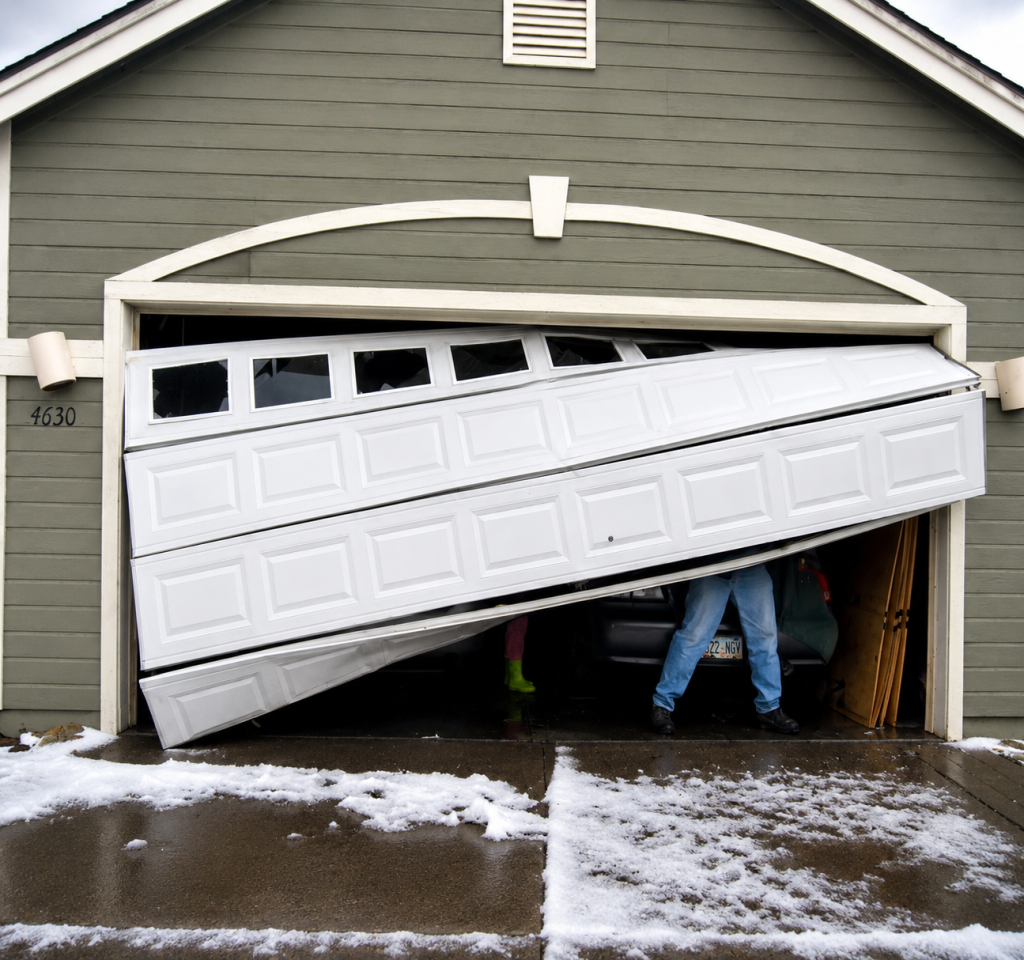
1. Does Your Garage Door Make Grinding and Scraping Sounds?
Grinding sounds are among the first indicators of track damage on garage doors. This generally means there is friction between the rollers and damaged tracks.
Some of the common causes include:
-Bent tracks on the garage door
-Loose mounting brackets
-Damaged rollers
-Sand build-up on the tracks
-Misalignment
2. Does the Garage Door Shake or Vibrate While Moving?
Vibrations in a garage door can be caused by an improperly installed track.
If the rollers cannot roll freely, then the whole system becomes unstable.
Moreover, vibrations can become worse with time. In the end, the door might fall out of its tracks.
Reasons for Vibration
-Incorrect installation of the garage door tracks
-Loosened hardware
-Broken rails
-Damaged rollers
3. Is There Any Obvious Bend or Gap in the Tracks?
Physical damage is an important indicator that indicates the need for replacement of garage door tracks.
Garage door tracks are expected to remain straight and evenly spaced. The slightest bend will affect the rollers. Thus, in case there is any physical damage, avoid using the garage door before conducting an inspection.
Indicators to Check
-Warped metal
-Crack in brackets
-Roller separation from the track
-Uneven spacing
-Track pulling away from the wall
Common Causes
| Cause | Effect on Track |
| Vehicle impact | Bent or shifted tracks |
| Loose bolts | Track instability |
| Rust corrosion | Weak structural support |
| Age and wear | Alignment problems |
4. Does the Garage Door Move Unevenly?
If the garage door moves unevenly, then there is a problem with the alignment of its tracks.
One side moves faster than the other, resulting in a tilting motion of the garage door.
Why Does the Door Move Unevenly?
-Tracks of the garage door misalignment
-Damaged rollers
-Unbalanced cables
-Obstructed tracks
Why Does It Matter?
The uneven motion causes extra strain on:
-Garage door cables
-Rollers
-Hinges
-Opening mechanisms
5. Is the Garage Door Jammed in the Middle?
It is quite common for garage doors that are jammed halfway through operation to have problems with their tracks.
This could mean that the rollers get stuck because of misalignment or dirt buildup.
Causes
-Tracks filled with dirt
-Loose track brackets
-Curved tracks
-Derailment of rollers
Safety Precaution
Never try to forcibly move the door either up or down. This could lead to further damage or cause the door to fall on you.
Only professional garage door repairers can assess your problem properly.
6. Are the Rollers Popping Out of the Track?
Rollers coming off the garage door track is an important problem that should be dealt with urgently.
It occurs mainly due to tracks being bent, loose, or very misaligned.
Warning signs
-Rollers visibly lifting
-Popping sounds
-Jerkiness of the door
-Leaning of the garage door to one side
Why This Is So Dangerous
The garage door can fall at any time.
It is advised to seek professional assistance since doing the repair incorrectly could result in damage to the springs or cables.
Moreover, the International Door Association (IDA) Consumer Resources also recommends professional evaluation for unstable garage door systems.
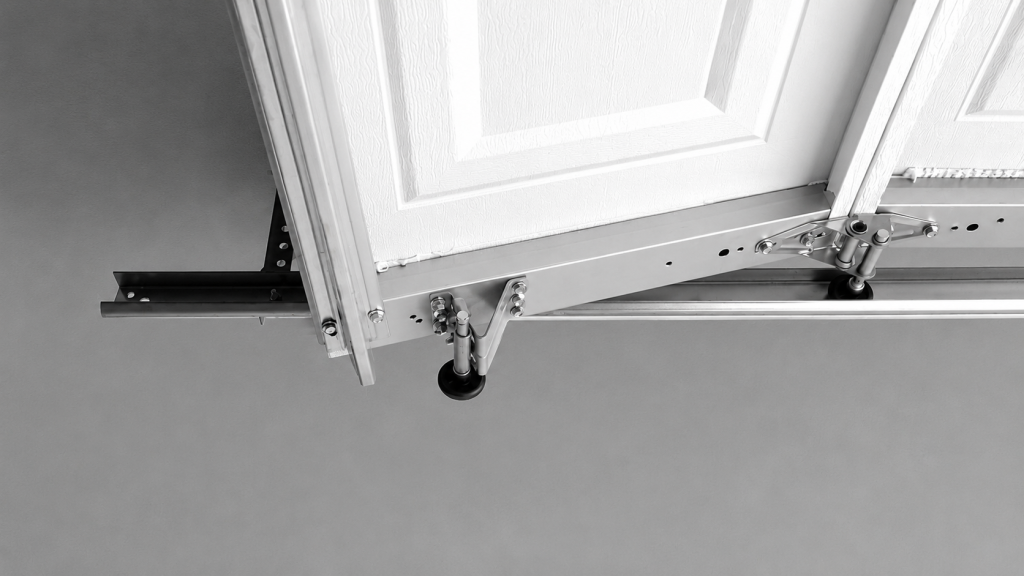
7. Is There Any Corrosion on the Garage Door Tracks?
Corrosion is known to weaken the garage door tracks and prevent their smooth functioning.
While some minor cases of corrosion can be treated through cleaning, more serious cases may require garage door track replacement.
Remember that regular Garage Door Maintenance Services could help you identify corrosion before it damages other parts of the garage door.
Corrosion Damage Indicators
-Metal flaking
-Rough roller motion
-Orange coloration
-Thin and weak track segments
Causes of Corrosion
Corrosion occurs because of:
-Humidity in the garage
-Leaks
-Lack of proper ventilation
-Exposure to snow/rain
8. Is the Garage Door Moving Slower Than Usual?
A slow moving garage door could be due to resistance in the tracks.
If there is any friction experienced by the rollers moving within damaged tracks, then the opener has to put in extra effort to open the door.
Causes of Track Resistance
-Misaligned tracks
-Dust accumulation
-Bent tracks
-Worn out rollers
Additional Issues That Could Occur Due to Track Resistance
-Garage door opener
-Rollers
-Hinges
-Drive systems
9. Are the Tracks Detaching from the Wall?
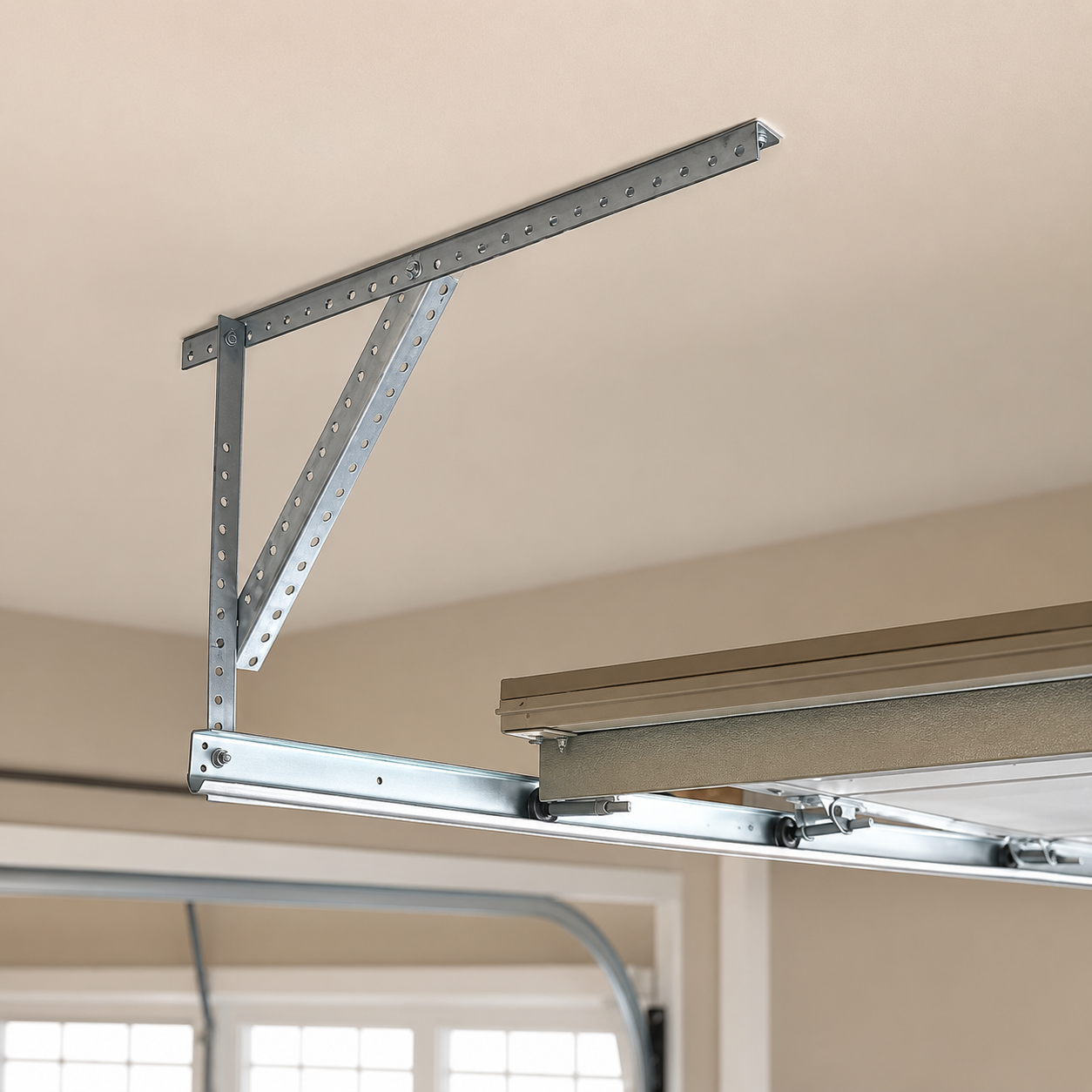
The tracks must be held firmly against the garage wall and brackets attached to the ceiling.
Any separation between the tracks and their mountings is an indication that the entire system is unstable.
Therefore, remember that any loose tracks need to be fixed promptly to prevent the system from collapsing.
Indications of Loose Tracks
-Wall separations visible
-Loose bolts
-Wobble during operation
-Sagging in horizontal tracks
What Leads to This Problem?
-Vibration over time
-Garage door track installation failure
-Structural movement
-Door weight stress
10. Has the Garage Door Come Off Track Before?
An off-track garage door typically means that there is some form of misalignment or structural problem.
These issues cannot be fixed temporarily due to the root cause not being addressed.
This is why a professional opinion is needed, as this will help you decide if repair or replacement will be more economical for your budget.
Common Reasons Why Garage Doors Go Off Track
-Incorrect track spacing
-Curved tracks
-Damaged rollers
-Lax hardware
-Tattered support brackets
When You Should Consider Garage Door Track Replacement
-Severely curved tracks
-Excessive rust
-Repeated repairs prove futile
-Frequent derailment of the door
When to Fix or Replace Your Garage Door Track?
Slight misalignment can be fixed by adjustments while serious damage will need replacement. It all depends on how bad the problem is.
Garage Door Track Repair vs Replacement
| Situation | Repair | Replacement |
| Minor misalignment | Yes | Rarely |
| Loose brackets | Yes | No |
| Surface rust | Sometimes | Sometimes |
| Bent track sections | Limited | Often |
| Repeated derailment | Temporary | Recommended |
| Severe corrosion | No | Yes |
What Are Some Tips to Avoid Garage Door Track Issues?
Proactive maintenance helps prevent problems and catch them early on. But don’t try making any significant adjustments to your tracks yourself, particularly around springs and cables.
Suggested Maintenance List
-Check for bent or broken tracks monthly
-Listen for abnormal sounds
-Ensure that your tracks stay clean
-Look out for signs of uneven movement
-Have professionals conduct an inspection annually
-Tighten hardware if necessary
-Deal with any signs of rust right away
When Should You Contact a Professional for Your Garage Door?
If the garage door seems unstable, off-track, or grinding, it is time to call a professional right away.
The parts involved in garage doors are under high tension and can be dangerous if not properly handled.
It is, therefore, essential to call professionals who have the right equipment to handle such situations.
Service by Professionals Is Recommended for:
-Bent garage door tracks
-Derailment of rollers
-Replacing the tracks
-Instability
-Door sticking
-Scraping sounds
Take Note of the Checklist
Thus, taking early action could help you avoid costly repairs and increase garage door safety.
Thus, if you see multiple warning signs, it would be wise to schedule a garage door track repair or replacement by professionals.
Here is the checklist to look out for any garage door track problems:
-Squeaking or grinding sounds
-Shaking of the door when moving
-Tracks that are bent or distorted
-Garage door moving unevenly
-The door getting stuck halfway
-Rollers falling off the tracks
-Corrosion on the tracks
-Delayed response of the door
-Loosely mounted tracks
-Frequent derailment
Frequently Asked Questions
Is it safe to operate my garage door when the track is bent?
No, this is not advised. The bent garage door track could cause rollers to get off track or put strain on the opener and cables. Using your garage door might make the damage worse.
How much will the repairs for garage door track cost?
The cost depends on how badly damaged your track is, how big the door is, and the amount of work involved. Adjustments will likely be cheaper than the full replacement of the garage door track.
Why do garage door tracks break?
There are many reasons why garage door tracks might break, including impact damage, bad installation, wear and tear, corrosion, age, or failure to maintain the tracks.
Is it possible for damaged tracks to impact the operation of the garage door opener?
Yes. The malfunctioning or damage to tracks puts more strain on the opener motor. This may decrease the durability of the opener and cause more mechanical issues if not fixed.
How long does the garage door track usually last?
The tracks installed in a garage door can last for many years if properly maintained.